
Cell-based production leans heavily upon a vast array of feedstocks for fabricating next-generation bio-products.
Safeguarding durable supply chain sourcing remains essential to industry resilience and responsible expansion.
several issues arising from typical material sourcing like ecosystem disruption and unsustainable harvesting. Therefore, biomanufacturing companies must actively seek out alternative sourcing strategies to minimize their ecological footprint.
- Instances of green procurement approaches are:
- Applying circular feedstocks from post-harvest streams
- Operating reuse-focused platforms to lower discard and increase efficiency
- Connecting with nearby vendors prioritizing responsible supply
Embracing sustainable procurement produces environmental benefits with profitable potential.
Optimizing Biomass Feedstocks for Enhanced Biofuel Production
Enhancing biofuel output is grounded in superior feedstock characteristics. Researchers repeatedly investigate innovative methods to enhance feedstock potential, producing improved fuel yields and a lower-carbon energy pathway. Efforts pair genetic enhancement for feedstock abundance with advanced pretreatment to produce usable sugars.
- Likewise, initiatives explore candidates such as algal biomass, process wastes, and agricultural leftovers to extend sustainable feedstock availability for fuels.
- Thanks to continuous exploration the sector is prepared to realize considerable strides toward an eco-friendlier energy mix.

Advances in Biopharmaceutical Manufacturing: Focus on Upstream Operations
includes primary operations from inoculation through cell collection Current advancements have streamlined operations and improved bioproduct yields.
Notable improvements feature new expression systems, refined media recipes, and automated reactor platforms. These advances improve throughput while lowering both operational expenses and ecological footprints.
- Also, evolving practices favor continuous flow processing which supports more agile upstream control.
- This move toward intelligent production systems is expected to reshape the industry and hasten drug development.
Innovations in Gene Editing for Improved Biopharmaceutical Yield
innovations in genome-editing toolsets have enhanced biopharmaceutical manufacturing. By implementing targeted gene changes, investigators boost production titers of important biologics. This route supports the creation of more affordable and productive treatments for multiple disorders.
Harnessing Microbial Biotechnology for Sustainable Bioremediation
progressive microbe-based cleanup tactics that mitigate industrial pollution. Various microbial strains are capable of breaking down toxins into safer constituents.. Harnessing microbe-based degradation fosters cleanup tactics that minimize environmental disruption and residual waste.. Research teams analyze microbial diversity to find candidates that metabolize heavy metals, break down pesticides, and treat oil-contaminated matrices.. Microbial cultures can function in contained bioreactors or be deployed onsite to facilitate biodegradative remediation..
Biological remediation using microbes yields meaningful benefits compared to conventional strategies. Such strategies are budget-friendly and lessen the creation of harmful byproducts. Likewise, microbial systems can selectively degrade contaminants while sparing the wider environment. Research efforts persist to upgrade the potency and implementation of microbial remediation strategies.
Bioinformatics' Impact on Drug Design
Digital bioinformatics methods are central to evolving therapeutic discovery processes. By analyzing biological data to select and improve leads, computational methods support efficient drug development.
- Using extensive genomic, proteomic, and patient data, analysts discover targets and anticipate therapeutic performance.
- Also, in silico modeling of molecular interactions accelerates optimization toward more selective therapeutics.
- Ultimately, bioinformatics modernizes development workflows and expedites access to safe, beneficial medicines.
Metabolic Design Approaches to Boost Bioproduct Yields
integrates multiple methods to augment cellular production of target bioproducts. Tactics can encompass genetic engineering to reconfigure metabolism, promoter modulation to adjust expression, and pathway insertion to enable new reactions.. Through careful adjustment of metabolic routes engineers can markedly elevate product titers.
Such holistic engineering could impact many areas including medical therapeutics, agricultural outputs, and biofuel production.
Upscaling Biopharma: Obstacles and Potential Gains
Upscaling therapeutic manufacturing brings major obstacles along with promising prospects. Sustaining uniform quality across expanded production capacity is a principal challenge. This requires robust process control, precise monitoring, and sophisticated analytical techniques.
Also challenging is the layered complexity of biomanufacturing encompassing numerous sequential steps.. Translating lab methods into scalable operations needs heavy research and technology breakthroughs.. Nonetheless, the advantages can be major. Proper scaling can increase therapy supply, reduce expenses, and elevate profitability.
Different initiatives are progressing to solve scale-up constraints. Plans feature next-gen optimization hardware, sophisticated real-time analytics, and forward-looking production strategies.
- Ongoing innovation drives improvements in industrial production capability.
- Regulatory frameworks are being optimized to accommodate novel production technologies and promote innovation.
Understanding Regulatory Oversight to Ensure Biopharmaceutical Quality
Advancing biopharmaceuticals involves heavy regulatory scrutiny to secure product safety and proven efficacy. Therapies derived from biological organisms carry special considerations not typical of conventional pharmaceuticals.
Agencies such as the FDA in the United States and the EMA in Europe play a crucial role in establishing guidelines and standards for the approval of these innovative therapies..
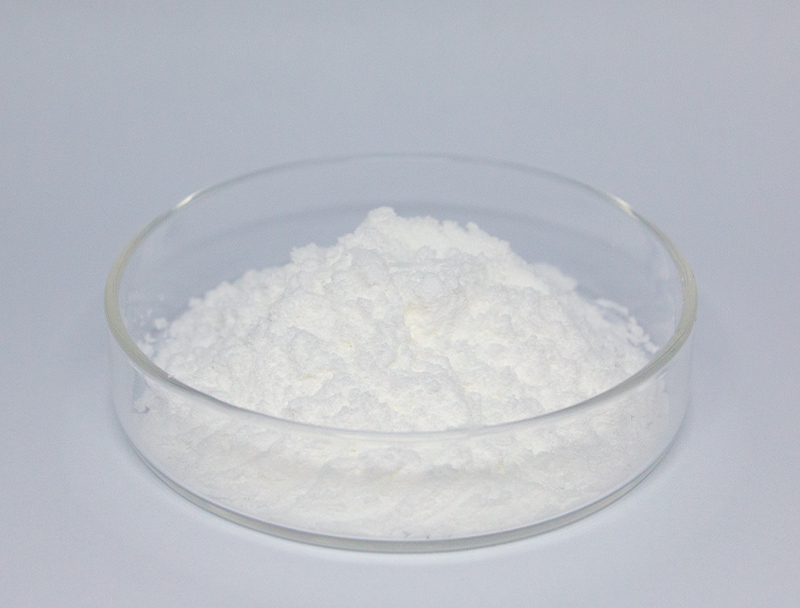
Extensive evaluation procedures are essential across development phases, spanning preclinical work to post-market checks.. L-arginine-α-ketoglutaric acid These steps are designed to surface risks and verify that biopharmaceuticals comply with elevated safety thresholds..
In addition, regulatory entities adapt their frameworks to stay current with rapid research and technological developments.. Measures involve adopting innovative technologies and enabling development acceleration without compromising patient welfare.

Evaluating Plant Biomass for Bioplastic Production
Heightened demand for sustainable products accelerates efforts to develop renewable material alternatives. Among these, bioplastics, produced from plant-derived biomass feedstocks, offer a promising avenue towards a greener future. Organic feedstocks like cornstarch, cellulose, and sugarcane can be converted to compostable polymers that shrink the environmental footprint of plastics.
Additionally, many plant-based bioplastics show performance characteristics similar to conventional plastics for numerous uses.. Ongoing R&D is essential to scale plant-based bioplastics and realize circular economic benefits.
Biotechnology's Potential to Transform Health and Food Supply
Biotech innovations hold promise to dramatically impact health and the reliability of food systems. Through advancements in genetic engineering, synthetic biology, and cell therapies, biotechnologists are developing innovative solutions to combat infectious diseases, improve crop yields, and enhance nutritional value.. To illustrate, modified plants designed for pest resilience and environmental tolerance can raise outputs and reduce pesticide application.. In addition, the field produces vaccines, treatments, and diagnostic tools that are central to fighting infections and improving health worldwide.. With ongoing research, biotech is positioned to enable broad improvements in health and food security that serve global populations.